
Union Budget 2026: Tax reforms, customs rationalisation and fiscal reset on the agenda
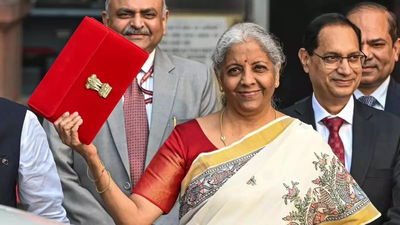
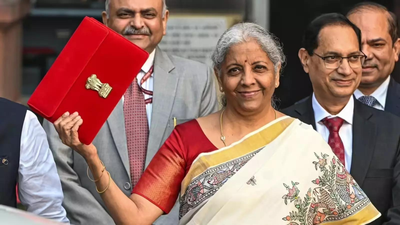
Finance minister Nirmala Sitharaman is set to present her ninth consecutive Union Budget on February 1, with expectations centred on tax reforms, a revamp of the customs duty structure and measures to support economic growth amid heightened geopolitical uncertainty. The Budget is also expected to outline a clear roadmap for lowering India’s debt-to-GDP ratio, marking a shift in fiscal strategy from deficit management to debt reduction.
Income tax relief still on taxpayers’ wishlist
After last year’s major relief, including the hike in the income tax exemption limit to Rs 12 lakh and GST rate cuts, individual taxpayers are hoping for further easing, particularly through an increase in the standard deduction. With the new and simplified Income Tax Act, 2025, coming into force from April 1, the industry is also seeking clarity on transition provisions, rules and FAQs to ensure smoother implementation, as per news agency PTI.There is also an expectation that the government may announce incentives, such as a higher standard deduction, to encourage more taxpayers to shift to the new tax regime, which offers lower rates but fewer exemptions. Rationalisation of TDS categories into fewer slabs is another key demand.
Customs reform and ease of doing business
A major focus area is likely to be the overhaul of the customs duty regime, on the lines of GST rationalisation. This could include fewer duty rates, procedural simplification and a possible amnesty scheme to unlock nearly Rs 1.53 lakh crore stuck in disputes.
Fiscal consolidation, defence and development push
The Budget is expected to spell out steps to reduce the debt-to-GDP ratio starting 2026-27, alongside higher defence spending in view of rising global tensions. Other expectations include provisions for the 8th Pay Commission, increased devolution of taxes to states as per the 16th Finance Commission, and higher allocations for MSMEs and tariff-sensitive sectors such as gems and jewellery, garments and leather.Funding for critical minerals like lithium, cobalt and rare earths, and outlays for Viksit Bharat employment and livelihood schemes are also high on the wishlist.