Bitcoin’s weakness versus gold and equities puts quantum computing fears back in focus


Bitcoin’s recent price weakness has revived the quantum-computing debate, with one high-profile investor arguing it’s already shaping market behavior — and on-chain analysts saying the real driver is more old-fashioned selling pressure.
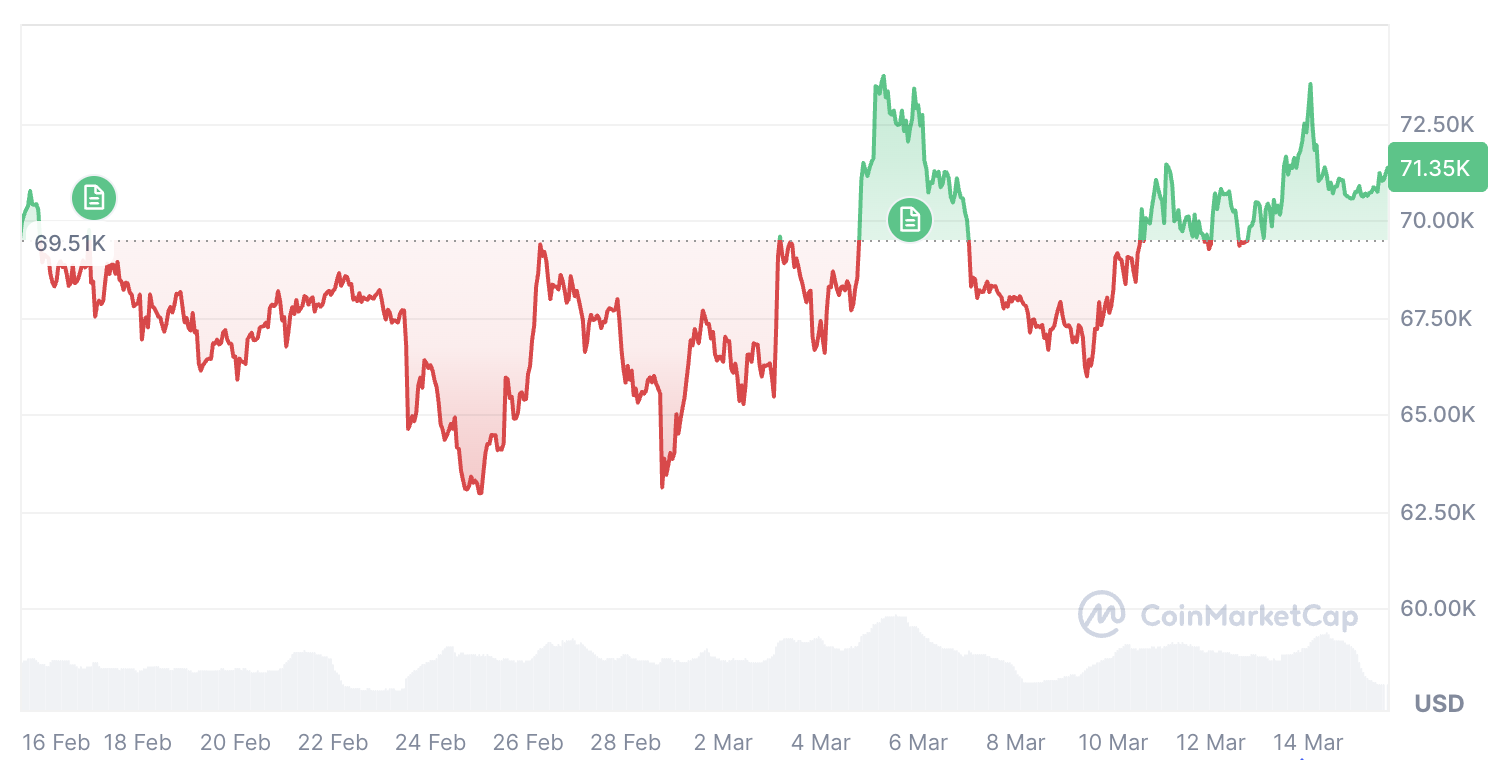
Gold and silver kept ripping on Thursday, with gold up 1.7% to a record $4,930 an ounce and silver jumping 3.7% to $96, while bitcoin slipped back to just above $89,000, roughly 30% below its early-October peak.
Since just after Trump’s November 2024 election win, bitcoin is down 2.6%, versus gains of 205% for silver, 83% for gold, 24% for the Nasdaq and 17.6% for the S&P 500.
Castle Island Ventures partner Nic Carter kicked off the latest round of chatter, saying Bitcoin’s “mysterious” underperformance is “due to quantum,” and calling it “the only story that matters this year.”
Bitcoin’s “mysterious” underperformance (due to quantum) is the only story that matters this year. The market is speaking the devs aren’t listening https://t.co/C30BO5Tj4A
— nic carter (@nic_carter) January 21, 2026
Others weren’t convinced. @_Checkmatey_, an onchain analyst at Checkonchain, argued that pinning sideways price action on quantum fears is like blaming “market manipulation for red candles” or exchange balances for rallies. In his view, the market has been moving on supply and positioning, not sci-fi risk.
“Gold has a bid because sovereigns are buying it in place of treasuries,” he said. “The trend has been in place since 2008, and accelerates after Feb-22. Bitcoin saw sell-side from HODLers in 2025 which would have killed every prior bull thrice over, and then once more.”
Prominent bitcoin investor and author Vijay Boyapati mirrored the thoughts: “The real explanation is really just the unlocking of an enormous supply once we hit a magic number for a lot of whales (100k).”
While I agree QC is a legitimate concern, and I appreciate your work on this (and do not question your motives as others have done) I think the price stalling invites narratives to fill the explanatory void when, imo, the real explanation is really just the unlocking of an…
— Vijay Boyapati (@real_vijay) January 21, 2026
Quantum computing has long been discussed as a theoretical risk to bitcoin’s cryptographic foundations.
Advanced machines running algorithms such as Shor’s could, in principle, break the elliptic curve cryptography used to secure wallets. However, most developers argue such machines remain decades away from practical deployment.
That view remains dominant among bitcoin’s technical community. Blockstream co-founder Adam Back has described the threat as extremely remote, saying even worst-case scenarios would not lead to immediate or network-wide loss of funds. Bitcoin Improvement Proposal 360, which would introduce quantum-resistant address formats, already outlines a gradual migration path should the need arise.
Still, the topic has gained renewed attention after some traditional finance figures raised concerns.
Earlier this month, Jefferies strategist Christopher Wood removed bitcoin from a model portfolio, citing quantum computing as a long-term risk factor.
As CoinDesk previously reported, the real challenge is not whether bitcoin can adapt to a quantum future, but how long such an upgrade would take if it ever becomes necessary. That timeline is measured in years, not market cycles, making it an unlikely explanation for short-term price behavior.