No dip in grain output in last 2 deficit rain years | India News
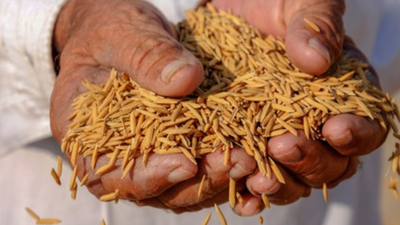
NEW DELHI: El Nino – a climatic phenomenon associated with weak monsoon in India – may pose a risk for farming operations this year, but what provides hope is that the country could effectively manage its impact in 2023 when India reported ‘below normal’ rainfall due to strong El Nino. The year 2015, which saw a drought due to severe El Nino, was the last year when foodgrain output dipped on account of the phenomenon. India saw record foodgrain output in 2018, which reported ‘below normal’ rain due to other climatic factors.35% monsoon deficit so far, sowing operations hitThis was made possible due to timely deployment of contingency measures and constant efforts to make Indian agriculture ‘drought-proof’ by expanding the footprint of irrigation networks, emphasis on micro (drip and sprinkler) irrigation, judicious choice of less water-consuming crops and use of drought-resistant seeds.Amid the El Niño risk this year, IMD has predicted ‘below normal’ monsoon rainfall during the June-Sept period with 60% probability of its being ‘deficient’, triggering fears of a drought. India last reported two back-to-back drought years in 2014 and 2015, recording 12% and 14% deficits, respectively, in overall seasonal rainfall.India has so far reported more than 35% deficit in overall cumulative monsoon rainfall since its onset over on June 4, impacting sowing operations in certain states.Sensing the urgency, Union agriculture minister Shivraj Singh Chouhan held a meeting Tuesday and directed coordinated meetings with district officials, Krishi Vigyan Kendras (KVKs) and other extension agencies in 12 states where El Niño’s impact is likely to be “relatively severe” during the kharif season.The vulnerable states include Andhra Pradesh, Bihar, Gujarat, Chhattisgarh, Jharkhand, Madhya Pradesh, Maharashtra, Odisha, Rajasthan, Tamil Nadu and Uttar Pradesh. Though a total of 197 districts across the country have been identified as most vulnerable to the impact of El Niño, contingency measures are being prepared in 326 districts.