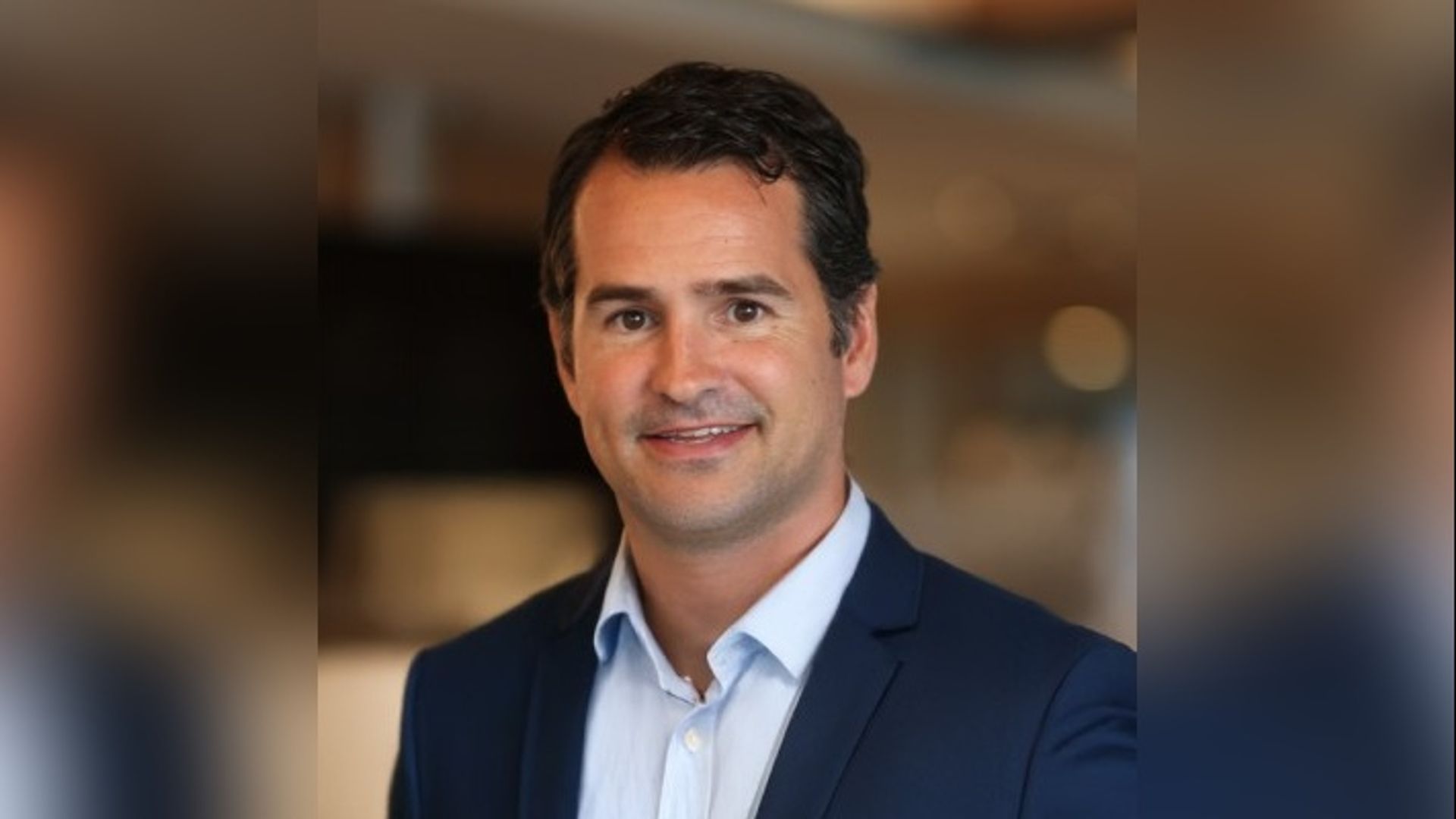
Wall Street is moving past crypto pilots and deeper into Ethereum, says Etherealize founder


Yet the growing institutional interest has not translated neatly into ETH’s market performance, a disconnect that has frustrated many investors. Raman attributes that gap largely to timing.
“The sales cycles for institutions are especially long,” he said. “The piping is all in place. We just haven’t seen all the assets come onchain yet.”
He said his view is that Ethereum is currently in a transitional phase where the infrastructure has largely been built, but the scale of adoption has yet to be fully reflected in the asset itself. As more tokenized assets migrate onchain, he believes the market will eventually reevaluate ETH’s role as the asset securing the network.
“When you look at the headlines in retrospect, it’ll be: the global financial system’s internet moment happened on Ethereum,” he said.
Raman also pushed back on criticism surrounding the Ethereum Foundation, which has faced scrutiny over leadership changes and its evolving role in the ecosystem. He argues that the foundation’s willingness to step back is a feature, not a flaw.
“The substrate for the financial system can’t have a party controlling it,” he said. “The network is universal. The pieces are all there now. Let’s hand it off.”
Rather than acting as a central coordinator, Raman believes the foundation should focus on maintaining Ethereum’s core values — security, censorship resistance, privacy and open standards — while continuing work on long-term priorities such as zero-knowledge technology and quantum resistance.